Understanding the Evolution of Robot Vacuums
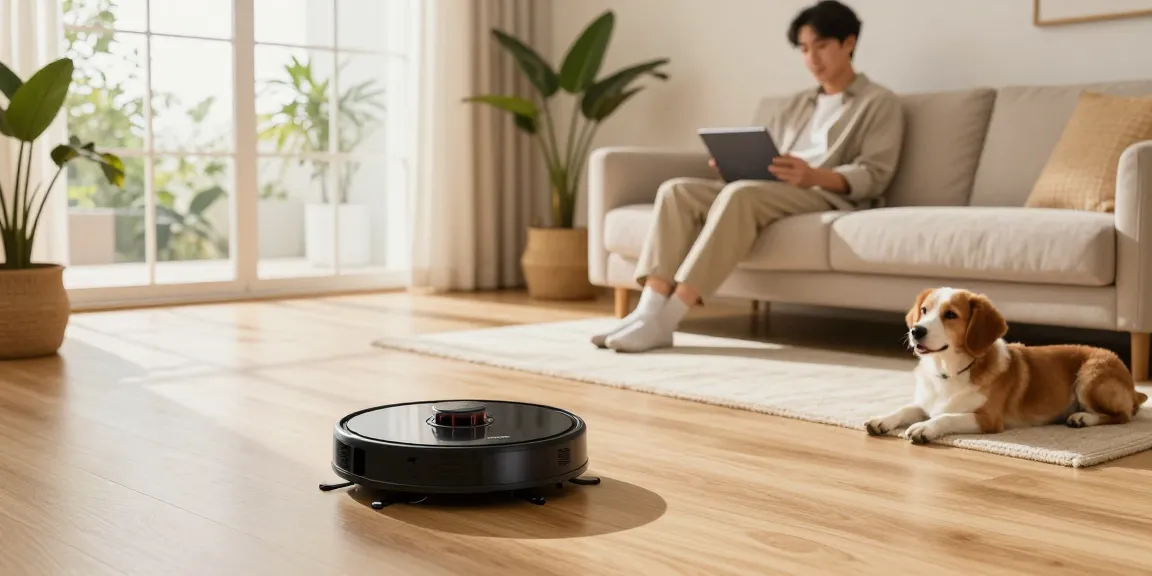
As the home automation industry continues to flourish, robots occupying our living spaces have transitioned from novelty items to essential household companions. Over the years, robot vacuums have evolved significantly, reflecting advancements in technology and changing consumer preferences. By 2026, these intelligent cleaning machines boast unprecedented capabilities that enhance their cleaning efficacy while integrating seamlessly into modern smart homes. The latest models not only navigate spaces with sophistication but also adapt to various cleaning environments and user preferences, making them indispensable for busy lifestyles.
When exploring options, robot vacuum 2026 presents a comprehensive insight into the cutting-edge solutions available today.
What Makes a Robot Vacuum Stand Out in 2026?
The 2026 landscape of robot vacuums is characterized by a variety of standout features that distinguish the best models from standard offerings. One of the primary aspects is advanced navigation capabilities. Most high-end robot vacuums now incorporate LiDAR technology for precise mapping and obstacle detection, allowing them to clean more efficiently and avoid hazards such as furniture and pet toys.
Furthermore, the integration of AI and machine learning enables these devices to learn optimal cleaning paths over time, adapting their routines based on previous cleaning sessions and household layouts. Additionally, many models are designed with enhanced suction power, enabling them to tackle not only dust and debris but also larger particles, which is essential for homes with pets.
Key Features to Look for in 2026 Models
- Smart Home Integration: Compatibility with platforms such as Google Home and Amazon Alexa allows users to control their vacuums through voice commands.
- Self-Emptying Dust Bins: Many new models automatically empty their dust bins into a dock, minimizing maintenance for users.
- Advanced Mopping Functions: The latest innovations include robot vacuums that can mop floors simultaneously, providing a two-in-one cleaning solution.
- Customizable Cleaning Modes: Users can select different modes for carpets, hardwood, or tiles, ensuring that each floor type is cleaned optimally.
- Obstacle Avoidance: Advanced sensors enhance the vacuum’s ability to navigate complex environments, making it less prone to getting stuck.
How Technology Has Transformed Robot Vacuums
The transformation of robot vacuums is due mainly to rapid advancements in technology, particularly in sensors, motors, and software algorithms. The use of high-definition cameras and 3D mapping has revolutionized how these devices orient themselves within a space. Now, they can create detailed maps of your home, identifying areas that require more frequent cleaning based on foot traffic patterns.
Additionally, machine learning algorithms help in predicting cleaning needs based on user behavior. For example, if a household has children or pets, the vacuum might automatically prioritize cleaning in those areas more frequently.
Top Robot Vacuum Models of 2026
Comparative Review: Best Models for Different Needs
Choosing a robot vacuum in 2026 can be a daunting task given the plethora of options available. Different models cater to varying needs, ensuring that every household can find the perfect match.
For pet owners, the Roborock Saros 10R stands out due to its powerful suction and specialized pet hair cleaning mode. Meanwhile, for those seeking a budget-friendly option, the Dreame X60 offers excellent value without skimping on essential features.
Families living in multi-level homes often benefit from the Ecovacs Deebot X1, which excels in multi-floor navigation and has a self-emptying base.
Innovative Features in Leading Robot Vacuums
Leading models in 2026 are equipped with features that elevate user convenience and efficiency. For instance, the iRobot Roomba j7+ incorporates advanced AI to distinguish between different types of dirt and debris, adapting its cleaning strategy accordingly. Similarly, the Neato D10‘s D-shape design allows it to clean corners and edges more thoroughly than traditional round models.
User Experiences and Expert Opinions
User feedback and expert reviews play a crucial role in identifying which robot vacuums deliver on their promises. Many customers emphasize the importance of ease of use and app integration, with many opting for models that allow for scheduling and remote control via smartphones.
Experts agree that performance on carpets remains a significant factor, with some users reporting that high-end vacuums perform better than cheaper alternatives, particularly in homes with pets.
Integrating Robot Vacuums into Smart Homes
Connecting Your Robot Vacuum to Smart Home Systems
One of the standout benefits of modern robot vacuums is their integration with smart home technology. Connecting to systems like Google Home or Amazon Alexa allows users to control their vacuums with simple voice commands. This level of connectivity means users can start cleaning while they are away from home and can even schedule cleanings based on their routines.
Scheduling and Automation for Effortless Cleaning
Automation is vital for maximizing the benefits of robot vacuums. Most models allow users to set specific cleaning schedules that fit their lifestyles. This feature is particularly beneficial for busy families who want to ensure their homes remain tidy without dedicating much time to cleaning.
Common Issues and Troubleshooting Tips
Despite their many advantages, robot vacuums can encounter issues. Common problems include getting stuck on cords or furniture, difficulty with high thresholds, and lost connectivity. Regular maintenance, including cleaning sensors and brushes, can mitigate many of these issues. If a vacuum frequently gets stuck, users might consider adjusting its programmed cleaning route.
Maintenance Tips for Optimal Robot Vacuum Performance
How to Clean and Maintain Your Robot Vacuum in 2026?
Maintaining robot vacuums is crucial for ensuring long-term performance. Users should regularly empty the dust bin and clean the brushes and filters. Many models now offer self-cleaning features, but it’s still essential for users to manually check for tangles in the brushes periodically.
Understanding Battery Life and Efficiency
Battery performance has seen significant improvement in recent robot vacuums. Most top models offer a runtime of at least 90 minutes, allowing them to clean larger spaces in a single charge. Users should monitor battery health over time, as older batteries may not hold a charge as effectively.
Software Updates and Their Importance
Like any smart device, robot vacuums benefit from regular software updates. These updates often introduce new features, enhance performance, and fix bugs. Users should ensure their devices are connected to Wi-Fi to receive these updates automatically.
Future Trends in Robot Vacuums
Emerging Technologies to Watch in 2026
The future of robot vacuums seems promising with continuous developments on the horizon. Notably, the integration of AI-driven features that provide enhanced personalization is becoming standard. Expect more models to adapt to user habits and preferences, tailoring cleaning routines based on individual lifestyles.
Consumer Preferences Shaping Future Developments
Today’s consumers are increasingly looking for eco-friendly options. As a result, manufacturers are focusing on sustainable technologies, such as energy-efficient motors and recyclable materials in their products. This shift is likely to influence future designs significantly.
Predictions for Robot Vacuum Innovations by 2027
By 2027, we may witness even more sophisticated models featuring AI capable of learning and adapting in real-time. We can expect improvements in battery technology, possibly leading to super-fast charging capabilities, allowing vacuums to recharge in under an hour. Furthermore, integrations with other smart home devices will enhance overall home automation.
What are the top robot vacuum brands in 2026?
The top brands in 2026 are likely to include well-known names like iRobot, Roborock, and Ecovacs, which continue to innovate and improve their offerings. These brands are consistently ranked highly based on performance, reliability, and user satisfaction.
How do robot vacuums compare to traditional vacuums?
Robot vacuums offer convenience and automation that traditional vacuums cannot match. However, they may not always replace the cleaning power of a conventional vacuum, especially for deep cleaning. Instead, many households find that a combination of both works best for maintaining a clean home.
Are robot vacuums worth the investment in 2026?
For many users, robot vacuums are a worthwhile investment, saving time and effort in daily cleaning tasks. Their growing features and capabilities are making them an appealing choice for tech-savvy consumers eager to simplify their lives.
Can I use a robot vacuum with pets at home?
Many robot vacuums are specifically designed with pet owners in mind, featuring stronger suction power and specialized brushes to capture pet hair. It’s advisable to look for models that prioritize pet hair collection for optimal effectiveness.
What features make a robot vacuum ideal for small apartments?
For small living spaces, a compact robot vacuum with smart navigation and strong suction is ideal. Features like a self-emptying base and good connectivity can maximize its efficiency in tight quarters.